La Gomera from Tenerife: Day Trip, Tour or Overnight Stay?
An organised tour, an independent day trip or a few nights on La Gomera? Here's what each option gives you, how transport affects your plans and where to stay.

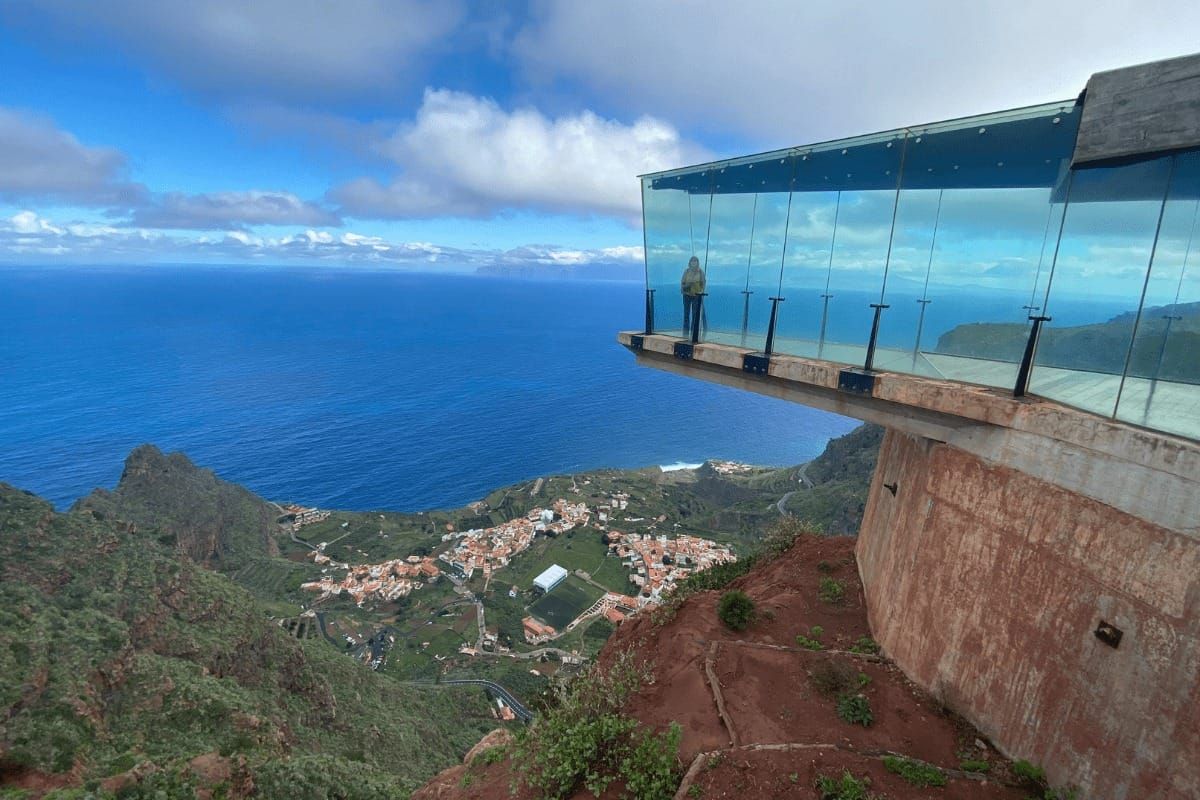
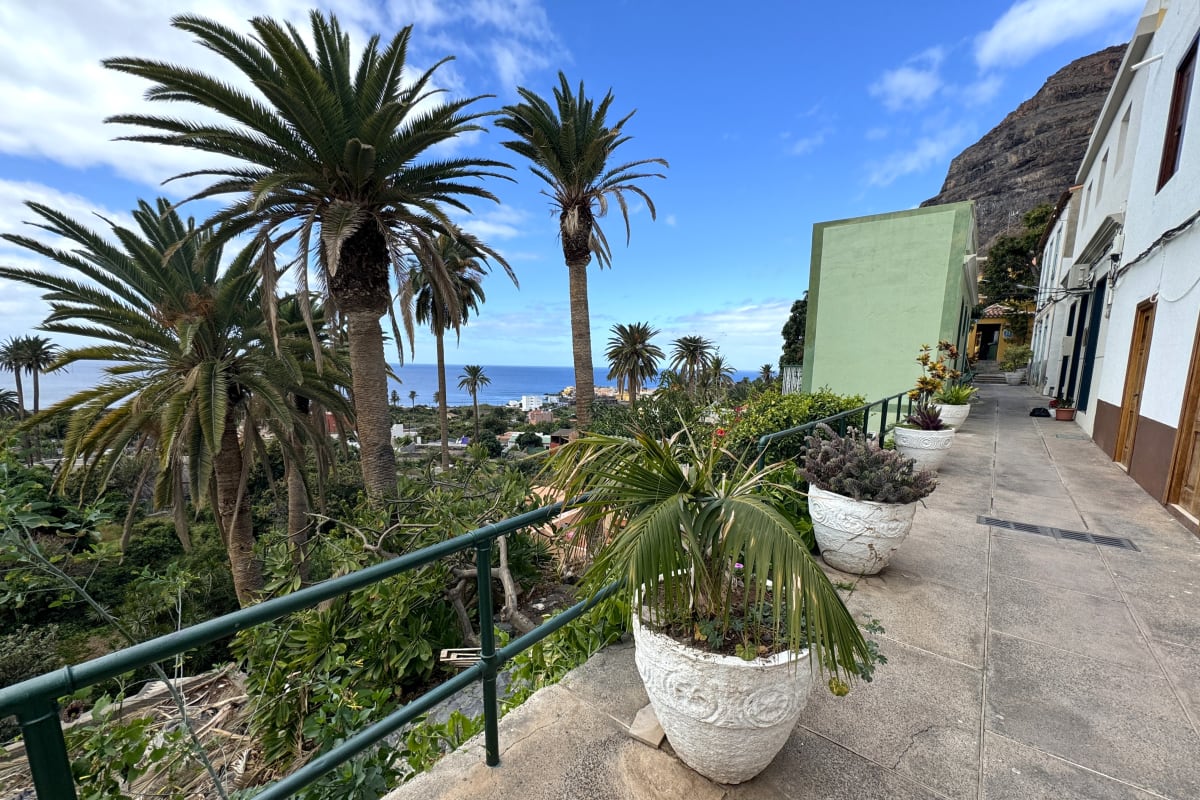
A day trip from Tenerife can take you from San Sebastián's harbour into the forests of Garajonay, past volcanic rock towers and through villages overlooking the Atlantic. You can see quite a lot of La Gomera before the ferry takes you back.
Stay a few nights, though, and you have time to follow a forest trail, spend an afternoon in a valley and enjoy dinner without calculating when you need to leave for the port.
Our recommendation is two or three nights if the walks and villages are what draw you here. An organised tour gives you a good introduction when you have one spare day in Tenerife. An independent day trip works well when you have a particular place or walk in mind.
Here's what each choice realistically gives you.
Take an organised tour for a first look
An organised tour is the easiest way to see several parts of La Gomera in a day. Someone else arranges the island transport, handles the mountain driving and gets you back to the ferry.
That leaves you free to watch the landscape change. The dry slopes above San Sebastián give way to volcanic peaks, forest and cultivated valleys. Seeing that variety is a good reason to make the crossing.
Itineraries differ, but many combine Garajonay National Park, northern villages or valleys, viewpoints and time in the capital. TUI's published La Gomera excursion, for example, includes ferry travel, transport, a guide and lunch, with a Silbo Gomero whistling-language demonstration on the itinerary.
A tour suits you if you enjoy guided sightseeing and want a broad introduction. The guide can also give some context to the places passing outside the window.
The compromise is that you follow the group's pace. A village you'd happily wander around for an hour may be a brief stop, and a forest visit may give you only a short time on foot. A standard sightseeing tour leaves little room for a substantial hike.
Pay attention to what the advertised price includes. Return ferries, lunch and Tenerife pickup make a difference, and pickup from southern resorts doesn't automatically cover accommodation elsewhere on Tenerife.
Go independently for a more focused day
An independent day gives you freedom over where you stop and how long you stay. It's particularly useful if you'd rather spend your time walking or exploring one area.
The temptation is to collect place names: Agulo, Hermigua, Garajonay, Valle Gran Rey. They look close together on a map. Between them are ridges, ravines and roads that spend quite a while getting around both.
Choose the part of La Gomera you most want to see, then give it some time.
A relaxed day in San Sebastián
You can enjoy an independent visit without hiring a car. The ferry brings you into San Sebastián, where the town centre, places to eat and beaches are within walking reach.
Spend time around the Torre del Conde, wander through the streets and settle somewhere for lunch. Our San Sebastián beach guide explains the nearby coastal options.
This is a good choice if you want a change of scene from Tenerife and a day with very little organising. You'll get to know something of the capital while leaving the forests and mountain villages for another trip.
A day inland with a car or driver
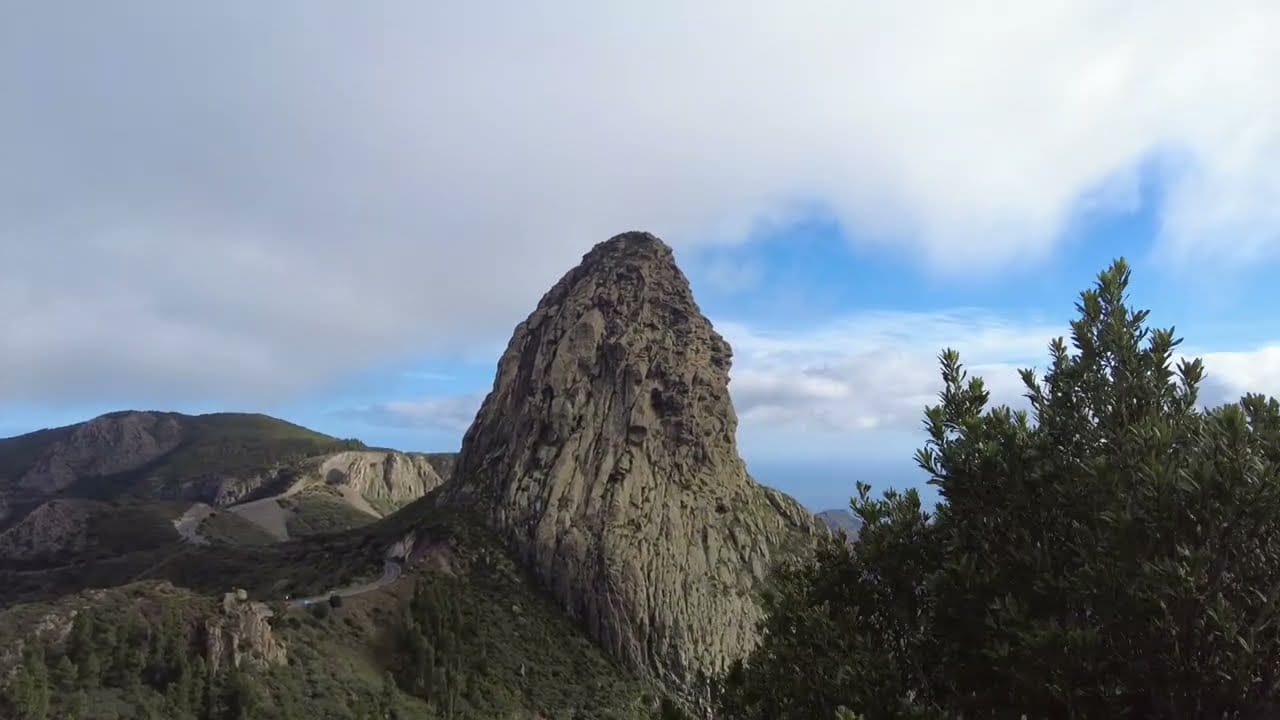
For a first visit, a manageable route is to follow the GM-2 inland, stop around Roque Agando and walk at Laguna Grande before returning to San Sebastián.
The Los Roques viewpoints bring you close to Agando and the neighbouring volcanic formations. You can appreciate the scale of the rocks from the roadside stops without setting out on a mountain hike.
At Laguna Grande, you can leave the car and spend some time among the trees. The park authority lists the short Laguna Grande I circuit as 0.9km, taking around 20 minutes. The official route description and our Laguna Grande guide explain the walk.
That's a satisfying day with space for lunch and a few pauses along the way. Alternatively, make Hermigua and Agulo your focus and spend more time exploring the north.
A longer hike can also be the purpose of a day trip, provided the transport fits. It deserves most of your time ashore, particularly once you add the journey to and from the trailhead.
The ferry is straightforward; onward transport shapes your visit
The main crossing runs from Los Cristianos in southern Tenerife to San Sebastián de La Gomera. Fred. Olsen Express and Baleària Canarias publish crossing times of approximately 50 minutes, with passenger and vehicle travel available.
Your usable time on the island also needs to account for reaching Los Cristianos, boarding, disembarking and any car collection or return. For a day trip, build the route around your return sailing and its boarding deadline.
The operators' booking pages provide the live departures and fares for your date.
For exploring inland, a car or arranged driver gives you the most flexibility. Hiring in San Sebastián is an option if your Tenerife rental cannot travel with you. Rental policies differ: AutoReisen's published conditions, for example, restrict taking its vehicles off the island where they were hired.
Buses can work for a chosen destination. GuaguaGomera's Line 1 connects San Sebastián and Valle Gran Rey, while Line 2 serves Hermigua and Agulo on the way to Vallehermoso. Departures are limited, so the return connection needs to fit your ferry.
There's also the Benchi Express coastal ferry, linking San Sebastián, Playa Santiago and Valle Gran Rey. It carries passengers rather than cars and can be useful for a coastal stay. Reaching the forest still requires transport inland.
Stay overnight for the walks, the evenings and a little freedom
The strongest reason to stay is having time to enjoy a place once you've reached it.
A forest walk feels different when you can stop along the trail without wondering how many other stops you can squeeze in afterwards. A village becomes somewhere to have lunch and wander, rather than somewhere to photograph before moving on.
Staying also gives you some flexibility. If cloud covers the uplands one morning, you have another day for the viewpoints. You can spend time on the coast, then head into the forest when the conditions suit your plans.
And there's the evening. In Valle Gran Rey, you can stay by the water for sunset and walk to dinner afterwards. In a northern village, you can enjoy the quieter hours after the sightseeing traffic has moved on.
One night is a useful improvement on a day trip, especially with an early arrival and a later departure. An evening arrival followed by a morning ferry gives you much less extra exploring time.
Two nights give you one full day between journeys. Three nights give you two, which is a comfortable starting point for a walk, some village exploring and time by the sea.
A walk such as Las Creces gives you time among the forest's moss-covered trees and ferns. Walking shoes and a light waterproof are useful up here; the coast's sunshine doesn't always follow you into Garajonay.
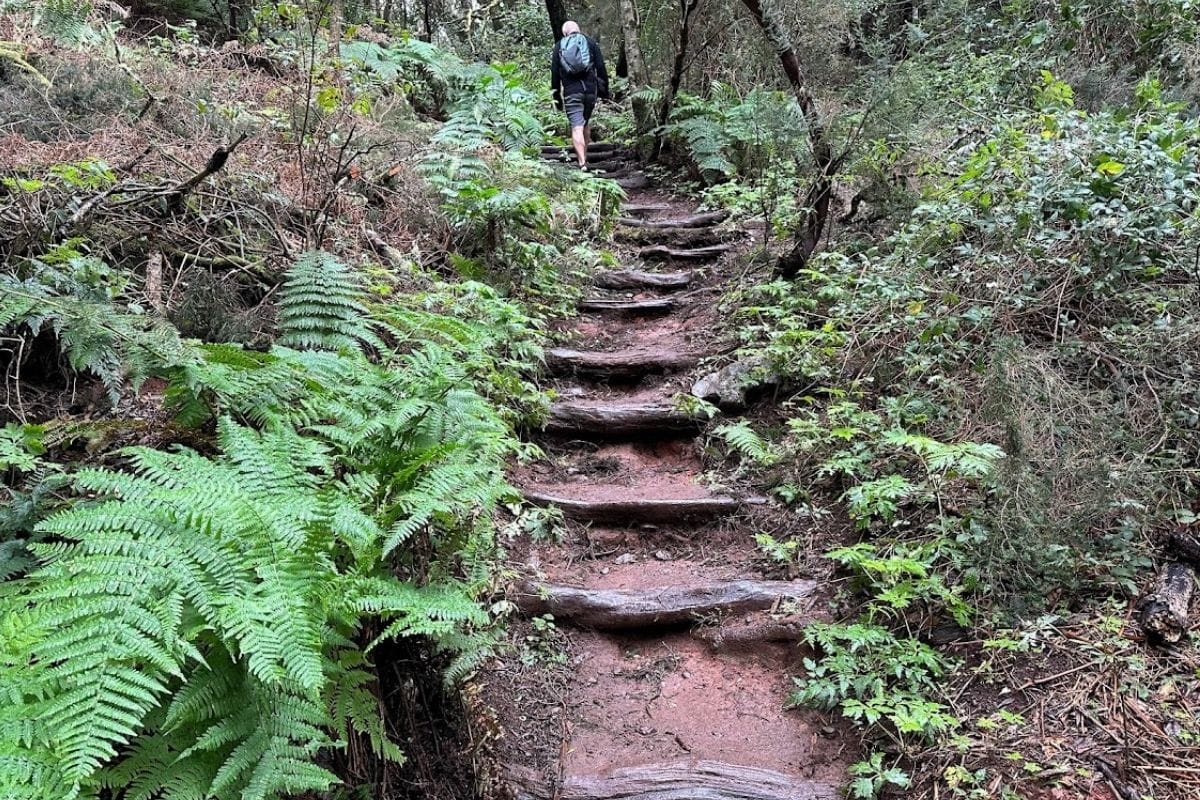
For a two- or three-night trip, choose one base. Moving accommodation can eat into the time you came to enjoy.
Where we'd base a short stay
For one night, we'd usually choose San Sebastián. Staying near the centre keeps arrival and departure simple, with restaurants and town beaches close by. It's also a practical base for arranging a day inland.
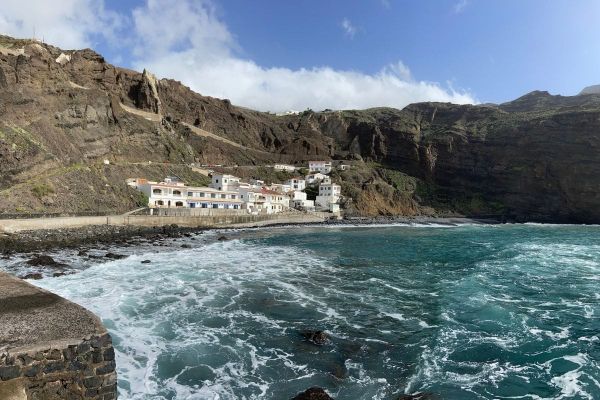
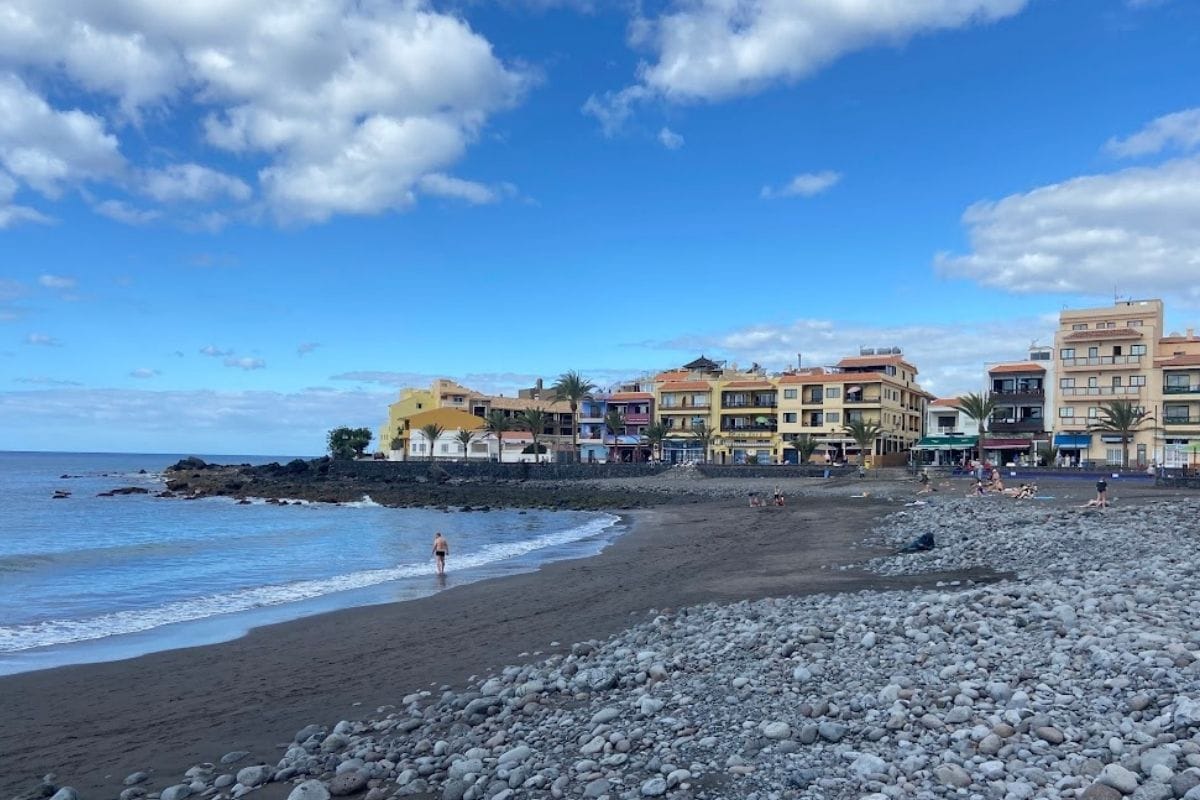
For two or three nights by the coast, Valle Gran Rey is a strong choice. You have places to eat, beaches and evenings by the sea, with the journey across the island forming part of your arrival and departure days. Our Valle Gran Rey beach guide helps you compare the waterfront areas around La Playa, La Puntilla and Vueltas.
For the high country and Garajonay, consider Chipude. It suits a stay built around walking and exploring the mountain villages, with a quiet base to return to afterwards. Our Chipude guide covers the village, nearby places to explore and staying overnight.
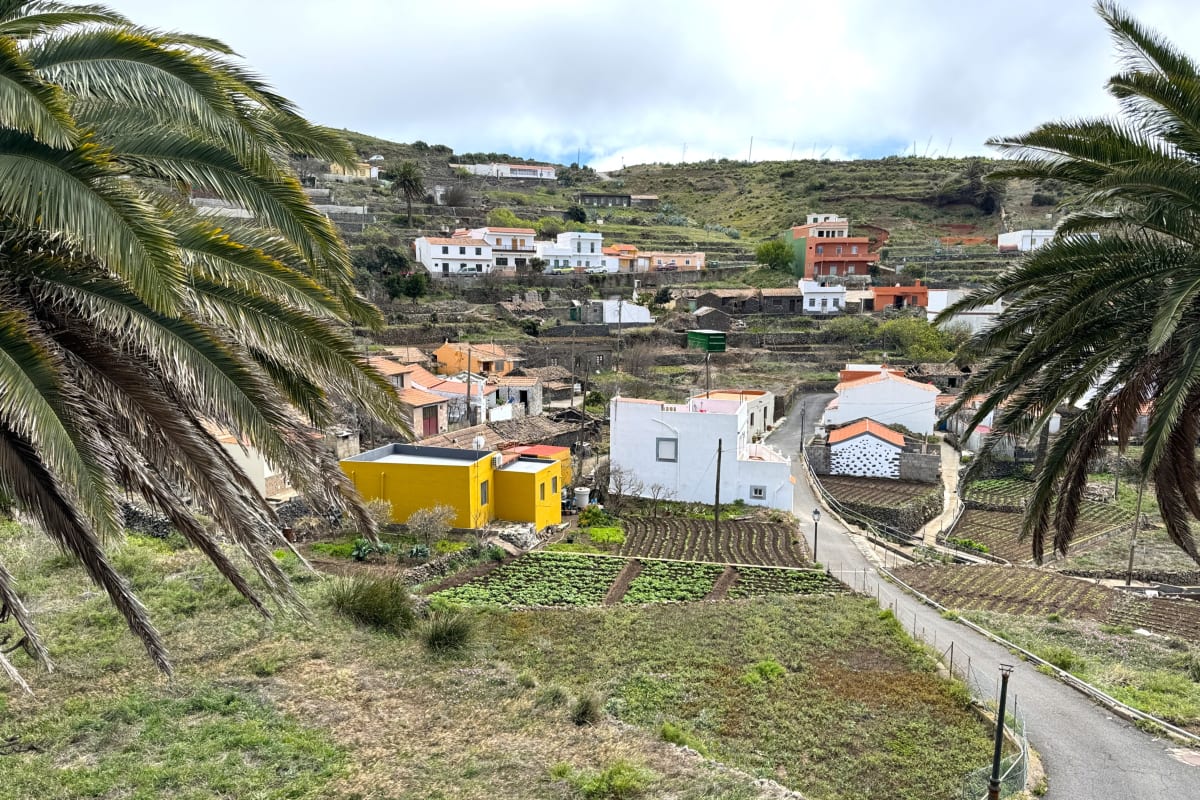
For walking and time in the north, consider Hermigua. The valley's cultivated slopes and village setting suit a stay built around exploring on foot and by car. Accommodation is spread out, so its position matters if you want to walk to dinner or use the bus. Our Hermigua guide introduces the area.
Nearby Agulo offers a smaller village setting, with traditional houses and cobbled streets beneath the cliffs. Playa Santiago is another option if a relaxed southern coastal stay appeals more than a northern valley.
Whichever base you choose, leave room for a meal that lasts a while. Our La Gomera food guide introduces almogrote, watercress soup, palm syrup and other things to look for on the menu.
If you're flying home from Tenerife, spending your final night there gives you breathing room between the ferry and your flight.
A day tour makes a good introduction to La Gomera. If you're already looking at walking routes and wondering which village you'd like to stay in, give yourself a few nights. Those are the parts of the island that benefit most from having time.