Agulo, La Gomera: What to See and Do
Explore Agulo's old village, places to eat and nearby viewpoints, with practical advice on staying overnight and getting around La Gomera's north coast.

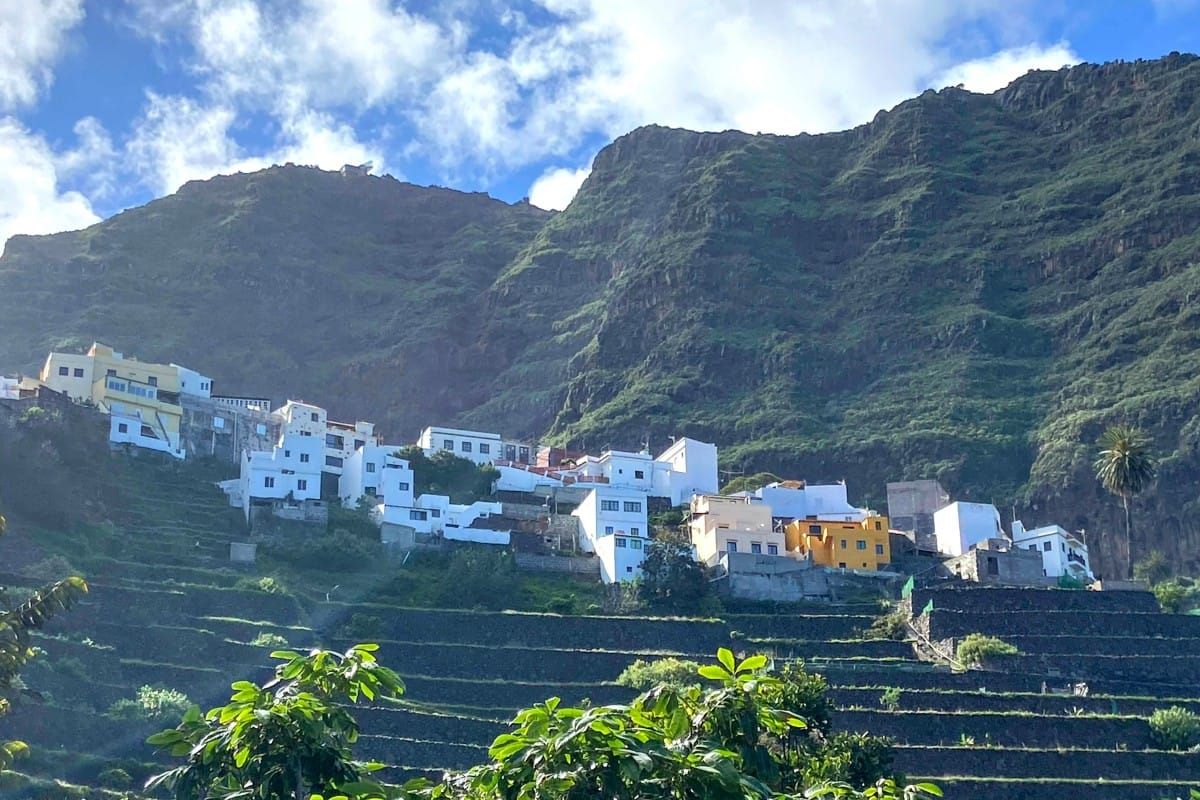
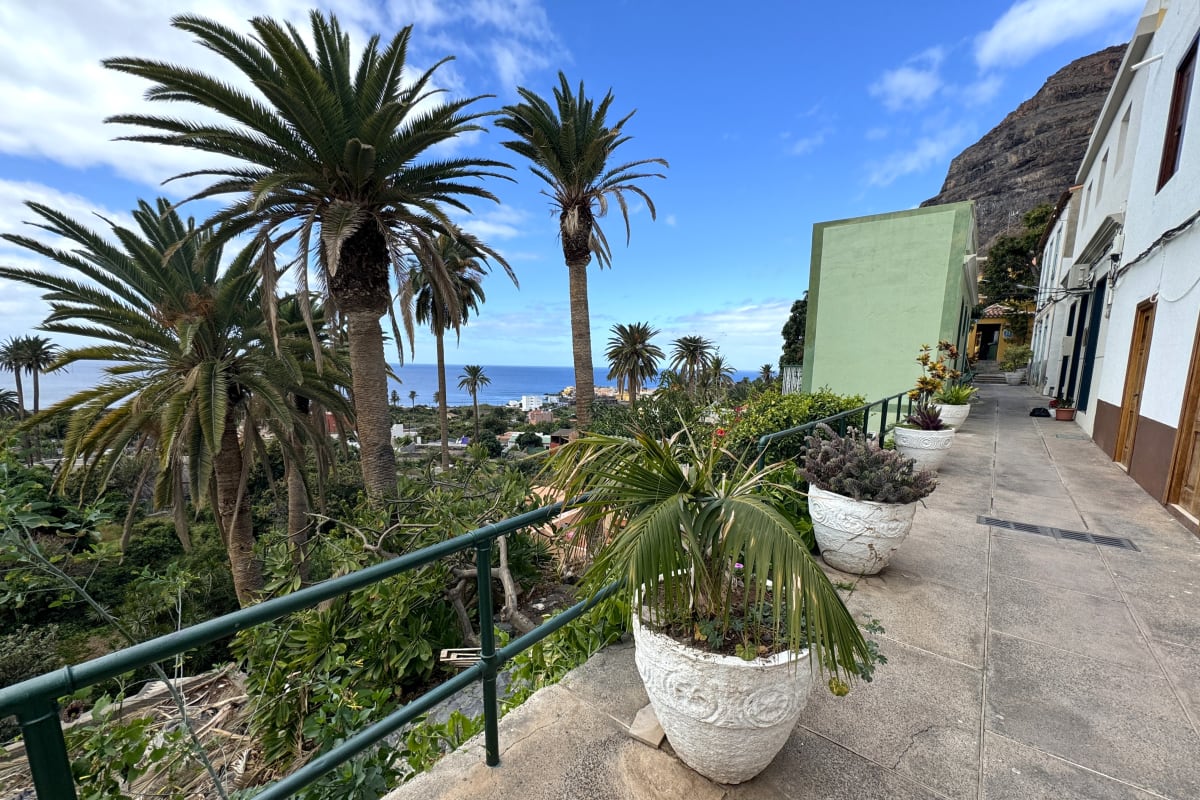
Agulo is a place to explore on foot: narrow streets, tiled roofs, small squares and houses tucked beneath a high wall of rock. The sea is below you, Tenerife appears across the water on clear days, and there's usually another lane that looks more inviting than the one you intended to take.
Give Agulo a couple of hours for a wander and lunch, or stay overnight to enjoy its quieter side. Abrante makes an easy addition to the day, but there's plenty of pleasure in looking around at street level first.
What to see and do in Agulo
Walk through the old village
Plaza de Leoncio Bento and the Church of San Marcos make a good starting point. From there, the interest is in the lanes: cobbles underfoot, wooden doors, red roof tiles and gardens squeezed between houses. Follow whichever turning catches your eye; this is a village that rewards a little aimlessness.
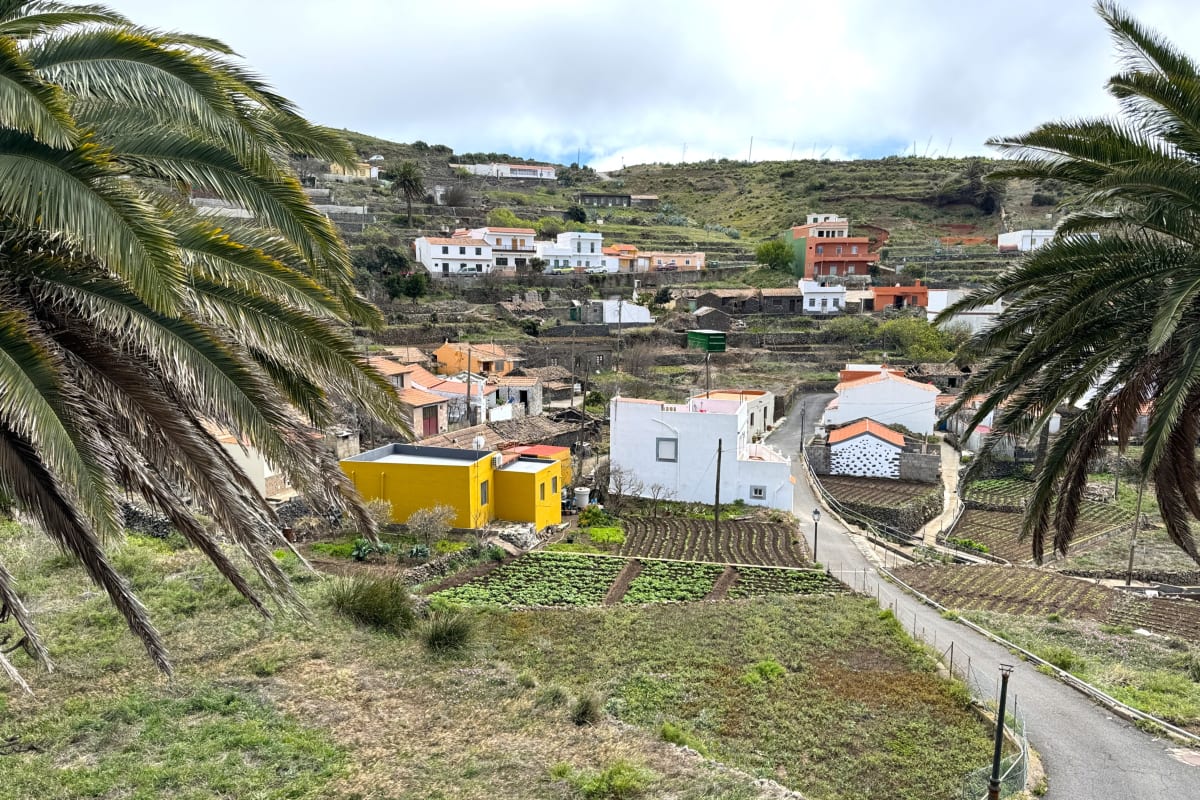
The historic centre takes in El Charco, Las Casas and La Montañeta, with a settlement history stretching back to the early 17th century. Cultivated slopes surround the houses, while that enormous cliff makes even the church seem small.
I'd spend most of the visit here. From Abrante, Agulo becomes a pattern of roofs and terraces far below; down in the streets, you can enjoy the details that disappear in the bigger view.
San Marcos and Casa José Aguiar
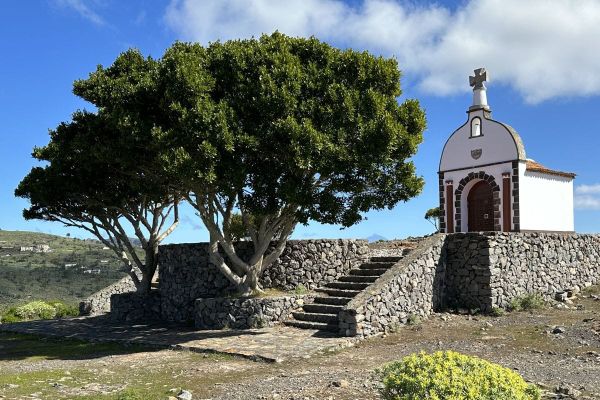
The white domes of San Marcos stand out among the red roofs. Around the square, the church, houses and cliff behind them make a lovely composition for photographs, even if you're only looking from outside.
Nearby, Casa del Pintor José Aguiar connects Agulo with one of the Canary Islands' best-known painters. Aguiar was born in Cuba and grew up in Agulo. The island tourism guide identifies the house as a cultural space housing the Filii Christi museum.
Look towards the coast
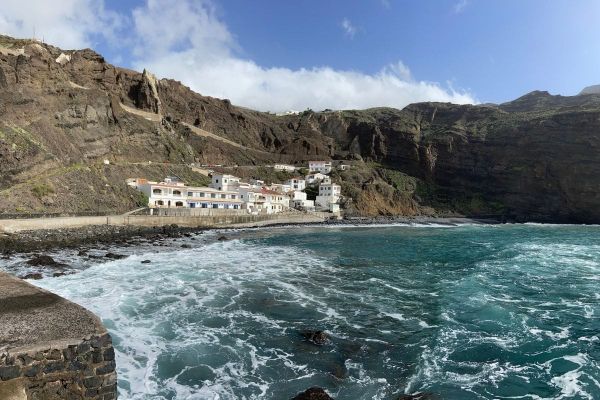
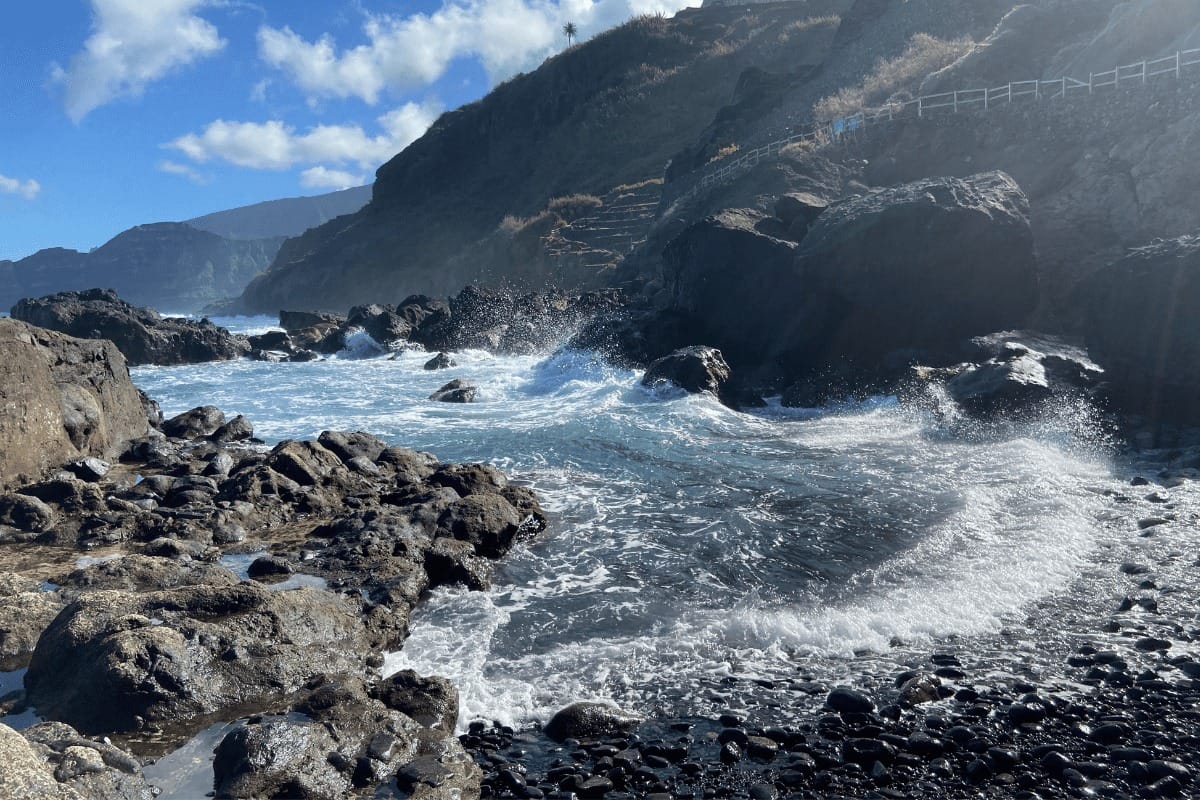
Agulo looks out over the Atlantic from above a band of cultivated slopes. Down by the water are the remains of the old pescante, once used to transfer goods between land and ships. It adds a working history to a coastline that's easy to admire just for the view.
Heading down brings you closer to that history and the waves, though it adds a separate walk to your village visit. Our Pescante de Agulo walking guide describes the outing.
Places to visit nearby
Mirador de Abrante
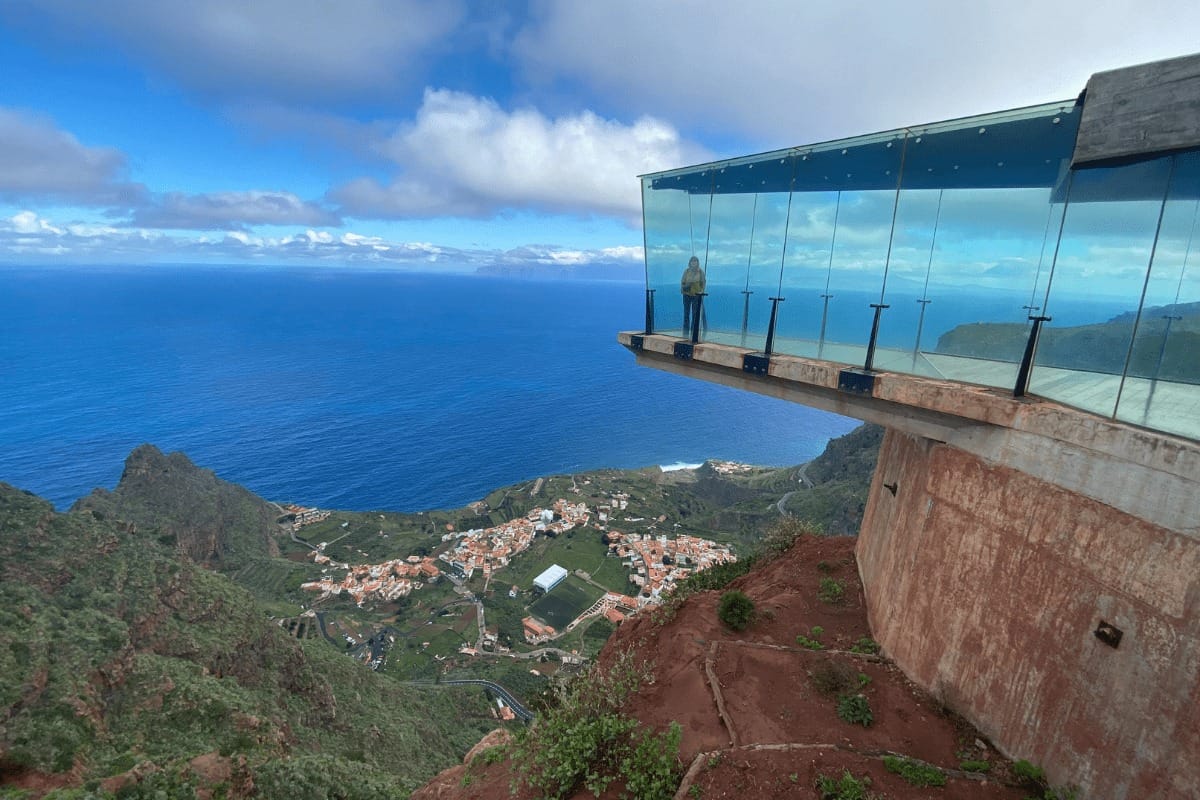
Mirador de Abrante lets you look back at the village you've just explored, this time from a glass platform projecting out above it. The roofs, terraces and coastline spread out below, with Tenerife across the water on clear days. The transparent floor gives the view a little more immediacy.
The viewpoint is open and you can walk onto the platform, but services are not operating. I'd have lunch down in Agulo before driving up. Reaching Abrante by road means heading inland and uphill, despite how close it looks from below.
Hermigua and the north coast
Nearby Hermigua gives you a broader valley landscape, places to eat and further cultural stops. It's an easy companion to Agulo on a drive along the GM-1.
For a coastal visit, Playa de Santa Catalina sits at the mouth of the Hermigua valley. Agulo also has the small Playa de San Marcos, which the municipal tourism office explicitly describes as unsuitable for swimming. Come to this stretch of coast for the scenery and waves, rather than assuming a village visit includes a swim.
For more views, Lomo del Dinero looks over forested valleys in the uplands above Agulo. Back towards Hermigua, Mirador de la Punta overlooks the coast from beside the GM-1, while Cruz del Viento combines views of Santa Catalina with a small picnic area on the old route between the villages.
Eating and drinking in Agulo
Lunch is part of Agulo's appeal. Restaurante La Vieja Escuela and Tasca Las Cruces were favourites on our visits, and I'd happily leave room in the day for a meal here.
Restaurante La Vieja Escuela occupies a former school in the old village. Its menu includes almogrote, goat meat and fresh fish, with a small dining room and outdoor tables overlooking the town.
Tasca Las Cruces is on Calle Pedro Bethencourt and has a terrace with sea views. The regional tourism guide highlights its avocado tortilla and wine selection, which gives you a little more to go on than simply choosing the nearest empty table.
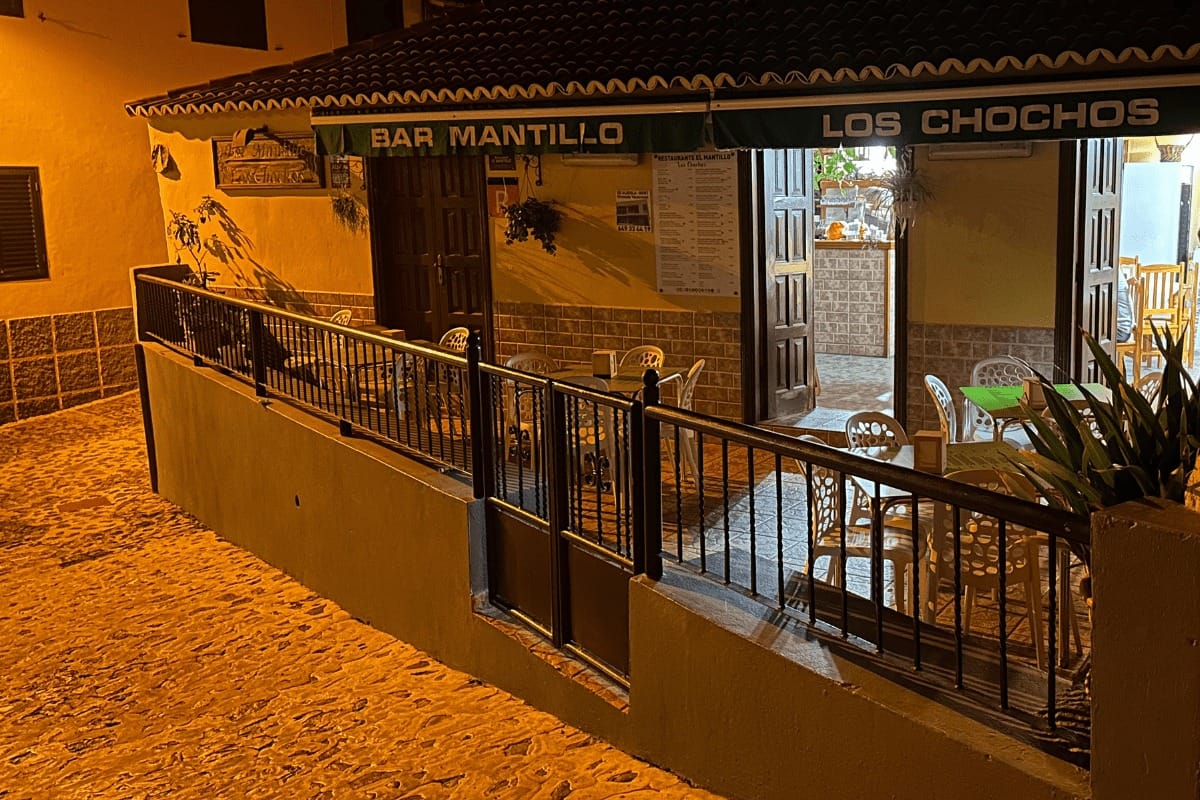
Bar-Restaurante El Mantillo was another favourite on our earlier visits. Its own website still lists opening hours, while Restaurant Guru marks it permanently closed, so its current opening status is unclear.
For help with the menu, our La Gomera food guide explains dishes such as almogrote, papas arrugadas and watercress stew.
For an overnight stay, it's useful to settle on a dinner option during your daytime wander. There are only a handful of choices, and choosing between menus is more enjoyable than choosing between closed doors.
Staying in Agulo
Agulo's holiday homes and small accommodation properties suit the scale of the village. A stay here gives you time for the lanes, meals and northern countryside without fitting everything between the drive in and the drive out.
For evenings on foot, I'd favour the historic centre near the restaurants. Accommodation described as 'Agulo' can also be in the higher rural parts of the municipality, where the setting and views come with a drive back to the village.
The attraction is a quiet evening after a day out exploring. If that's your idea of a good holiday, Agulo could suit you very well; beach swimming and a broad choice of nightlife are better reasons to stay elsewhere.
Getting there and practical details
Agulo is on the north of La Gomera, beyond Hermigua when travelling from San Sebastián along the GM-1. Open Agulo on Google Maps for your route. I'd leave the car in a marked parking space and explore the narrow centre on foot.
Guagua Gomera's Line 2 connects San Sebastián, Hermigua, Agulo and Vallehermoso. Use the Agulo Casco stop for the village. The operator currently lists five departures from San Sebastián bus station Monday to Saturday and three on Sundays and public holidays; these are departures from the terminus, not passing times at Agulo.
A car helps with Abrante and the scattered viewpoints, while Line 2 works well for a village visit. Once you're in the centre, the cobbled lanes and gradients make this a place to explore on foot.
Making time for Agulo
Agulo earns its place on a first visit to La Gomera through small pleasures: an inviting lane, a view between houses and somewhere good to sit down for lunch. Add Abrante for the wider panorama, but give yourself time to enjoy the village beneath it.