Playa de Iguala, La Gomera: A Remote Beach Below the Cliffs
Plan a visit to Playa de Iguala, a quiet beach on La Gomera's southwest coast, with walking access from La Dama and views of Roque de Iguala.

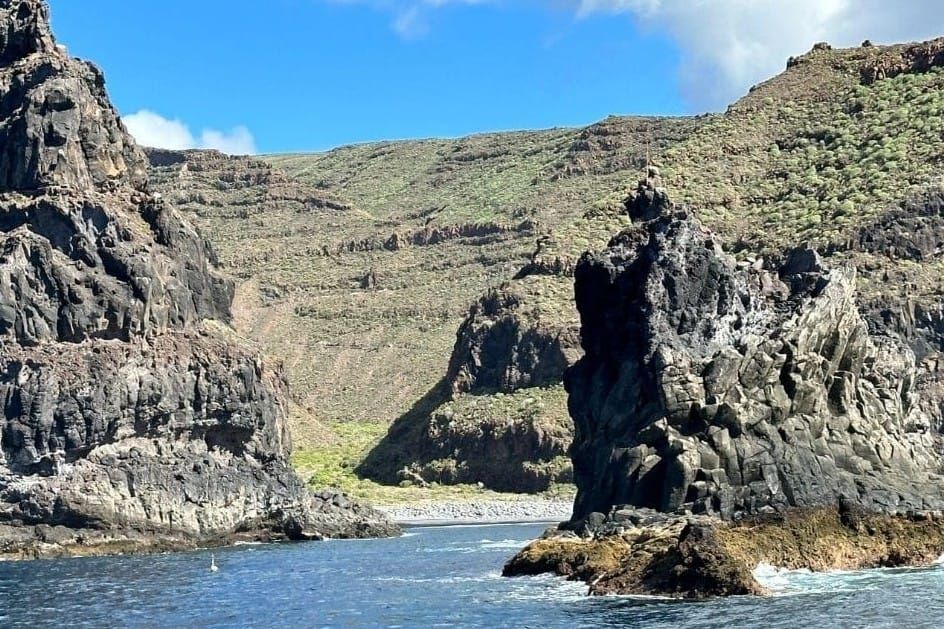
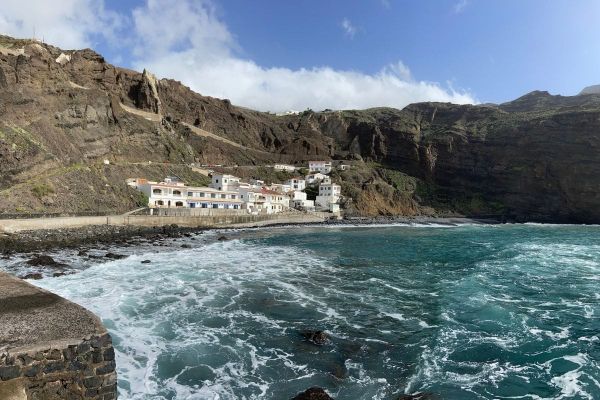
Playa de Iguala sits below the cliffs on La Gomera's southwest coast, with Roque de Iguala marking the end of the headland. The rock formations and the feeling of being away from the towns are the reasons to come.
It's a beach for a walking outing or a visit by sea. There are patches of coarse sand and gravel among the stones, but no promenade, cafe or convenient car park at the water's edge.
At a glance
- Location: On the southwest coast, reached from the La Dama area.
- Beach: Stones, gravel and patches of dark sand.
- Access: On foot or by sea; driving down isn't recommended.
- Parking: Plan to leave the car in the La Dama area.
- Facilities: No beach services.
- Best for: Coastal scenery and a quiet walking destination.
What the beach is like
Punta de Iguala and the offshore rock give this bay its distinctive outline. Looking along the shore, you'll find steep cliffs, eroded rock faces and small caves rather than rows of waterfront buildings.
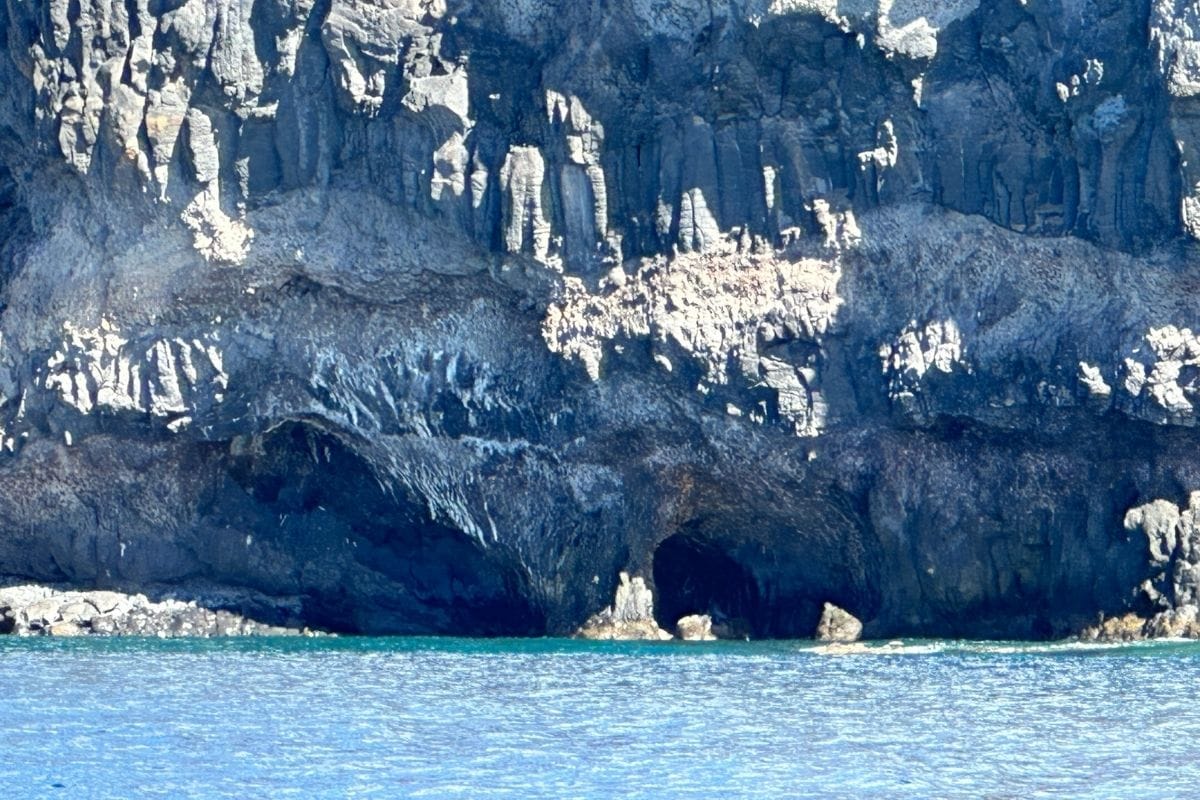
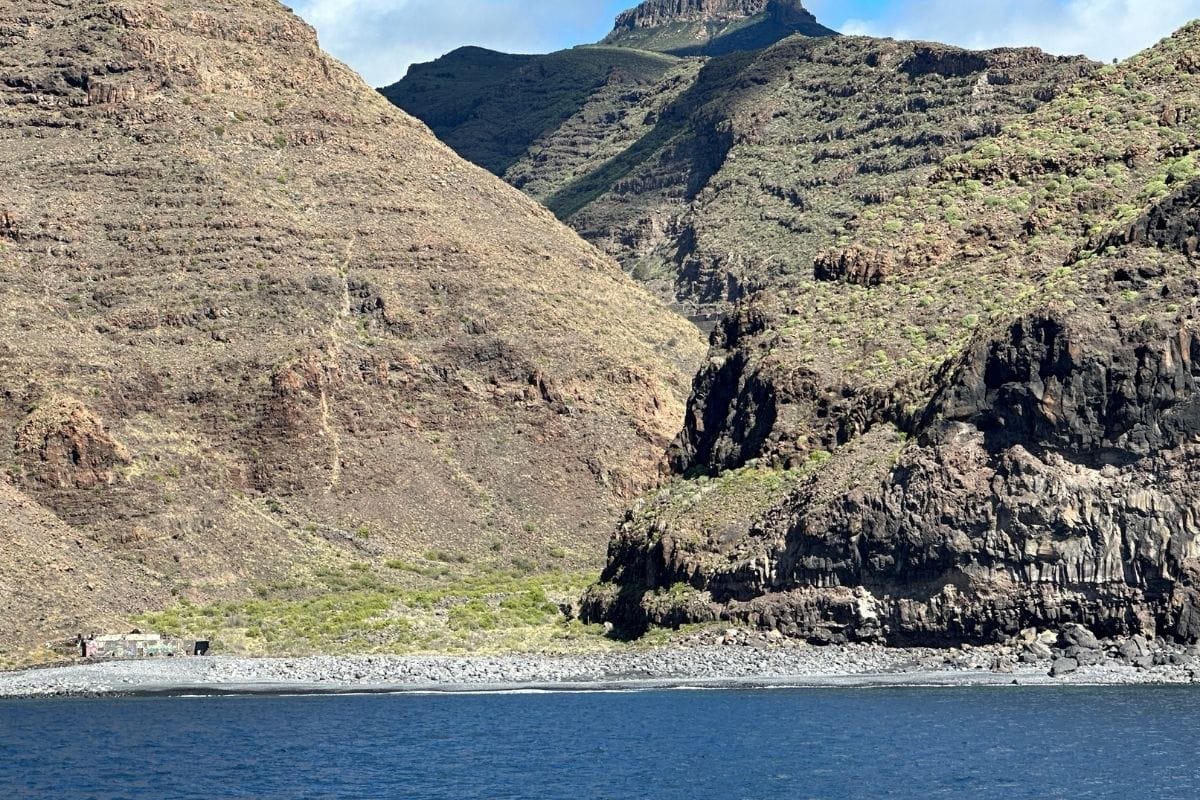
The beach has more gravel and coarse sand than some of the island's rockiest coves, though the surface is still uneven. A few old buildings remain near the shore; they aren't visitor facilities.
Getting there
The official Iguala beach guide recommends walking from La Dama, allowing around an hour to reach the beach. It advises against driving down because the dirt track crosses private property and may be closed.
The return involves climbing back from the coast. Allow time for both directions and bring water for the walk, rather than treating the quoted outward time as the length of the whole outing.
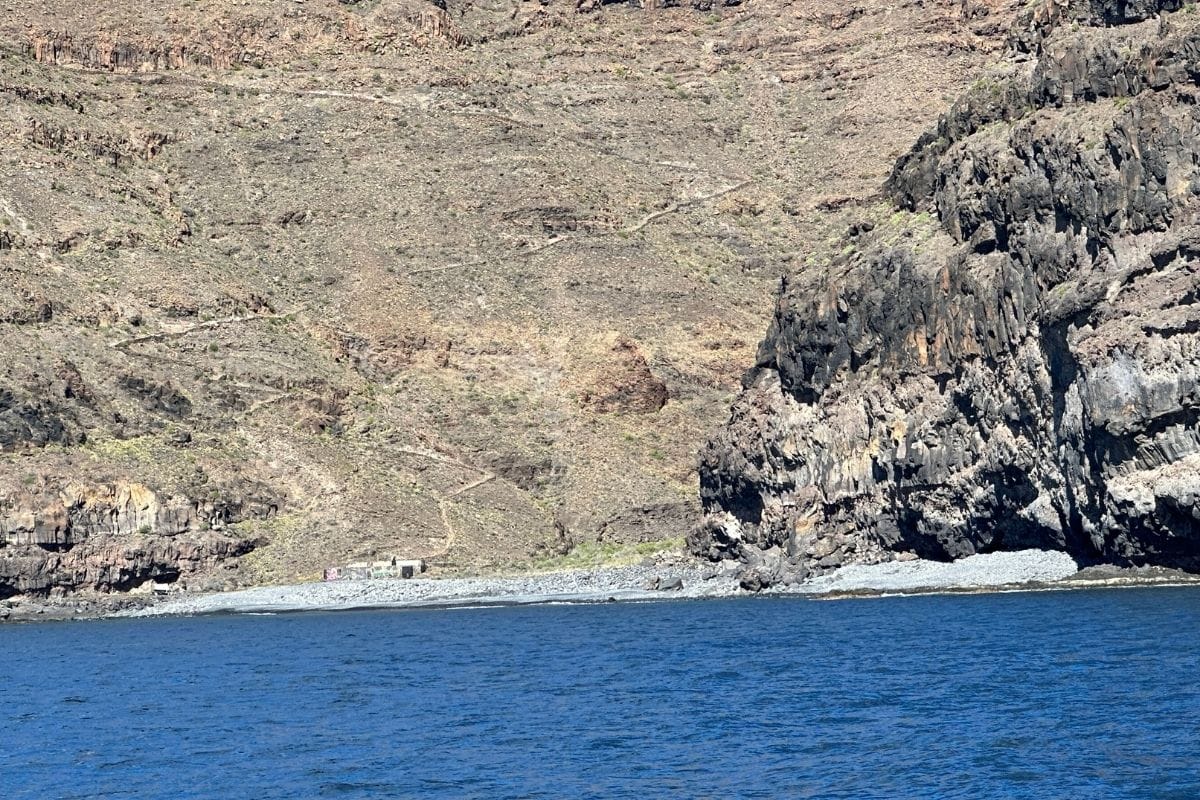
Our older guide placed Iguala on Ruta 16. For a beach visit, the useful starting point is La Dama; the map above locates the bay, not a turn-by-turn walking route.
Swimming and sea conditions
The bay can look sheltered, but there's no lifeguard service and the official beach listing notes moderate swell. Calm-looking water on one visit doesn't establish conditions for another.
We'd make the coast and the walk the main attraction. The stony water's edge and remote setting are less forgiving than a town beach if the sea picks up.
Facilities and food
There are no public toilets, showers, shops or beach cafes at Iguala. Bring a picnic and enough drinking water to last until you're back in the village.
The lack of services helps explain the quiet. Once you're down here, the cliffs and the sea supply most of the entertainment.
Is it a good choice?
Iguala suits visitors who enjoy a remote coastal destination and have time for the return climb. The rock formations give it a character of its own, so it makes more sense as a deliberate outing than a quick stop.
For a neighbouring bay with a road approach, see Playa de la Rajita. Our La Gomera beach guide includes easier alternatives.
Frequently asked questions
Can you drive to Playa de Iguala?
The tourism authority advises against it. The dirt track crosses private property and may be closed; walking from La Dama is the recommended approach.
How long is the walk from La Dama?
The official guide gives around an hour to the beach. Allow additional time for the uphill return and any stops.
Are there facilities at Iguala?
No. The old buildings aren't beach services, so bring food and water.
What is the rock beside the beach called?
Roque de Iguala sits off the end of Punta de Iguala and is the bay's most recognisable feature.