Silbo Gomero: La Gomera's Whistled Language
Learn how Silbo Gomero carries words across La Gomera's ravines, why it is taught in schools, and where to hear it or visit its monument.

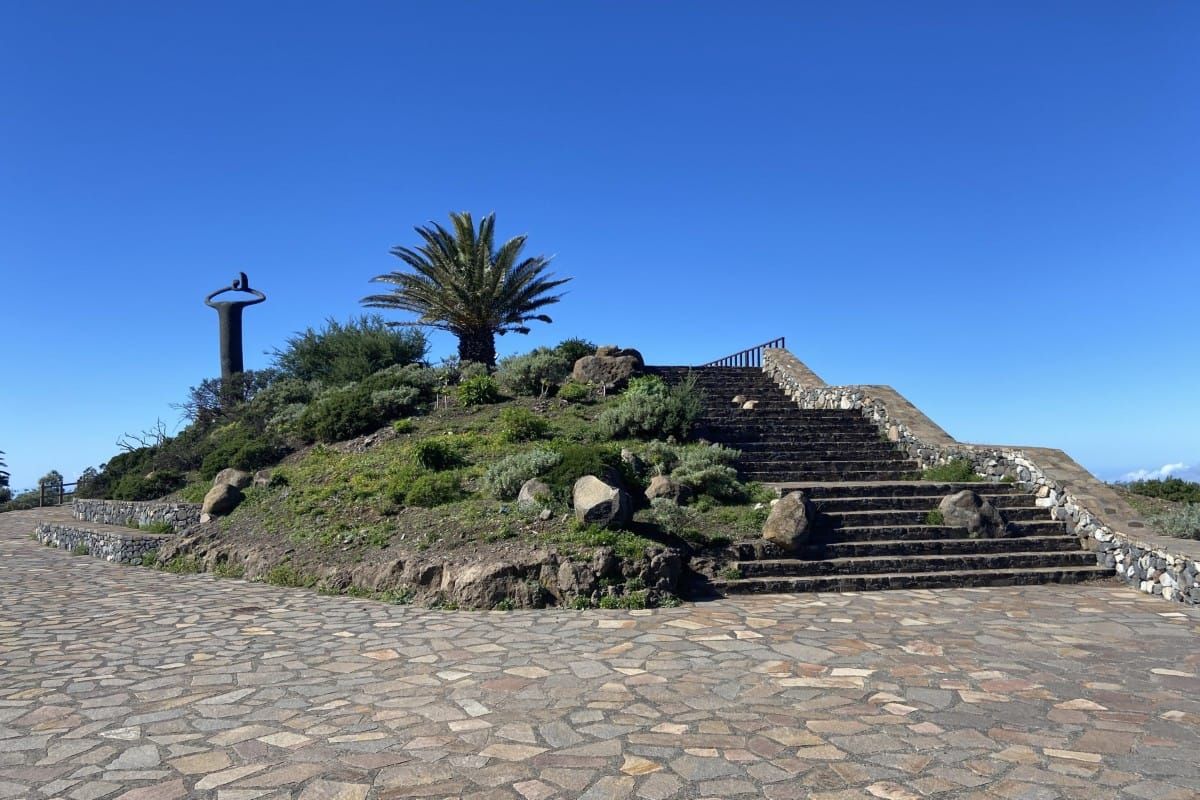
On La Gomera, someone on the opposite side of a ravine can look quite close until you work out the walk to reach them. Silbo Gomero offered a practical answer: whistle the message across.
This whistled form of communication carries spoken language over distances that an ordinary voice cannot manage. It belongs to the island's rural history, but it is still taught and practised today. Hearing someone use it is one of the more interesting ways to understand how life here has been shaped by the landscape.
What is Silbo Gomero?
Silbo Gomero reproduces the sounds of speech through whistles. Today, the language being whistled is Spanish, so the words and sentence structure come from Spanish too. A skilled whistler can pass on a message, ask a question or hold a conversation.
It is more than a collection of signals meaning "come here" or "look over there". Nor is it a code in which every written letter gets its own whistle. The starting point is the sound of the spoken words.
La Gomera is not the only place where people communicate this way. The Canary Islands education department also identifies whistled traditions in places including Turkey and Mexico. Silbo Gomero is the island's own version, closely tied to its terrain and community.
How do the whistles carry words?
Changes in pitch and the way sounds join or break apart help the listener recognise speech. UNESCO's explanation groups the whistled sounds into two vowel categories and four consonant categories, a much smaller set than those available in spoken Spanish.
That compression means different words can sound alike. Context matters, and a whistler may need to repeat or clarify a message. Knowing Spanish helps with the meaning, but understanding the whistles takes practice of its own.
You can hear Silbo Gomero in the DW Cultures film below. Listen to the changes in the whistle rather than expecting the rhythm of a tune.
Why did people use it on La Gomera?
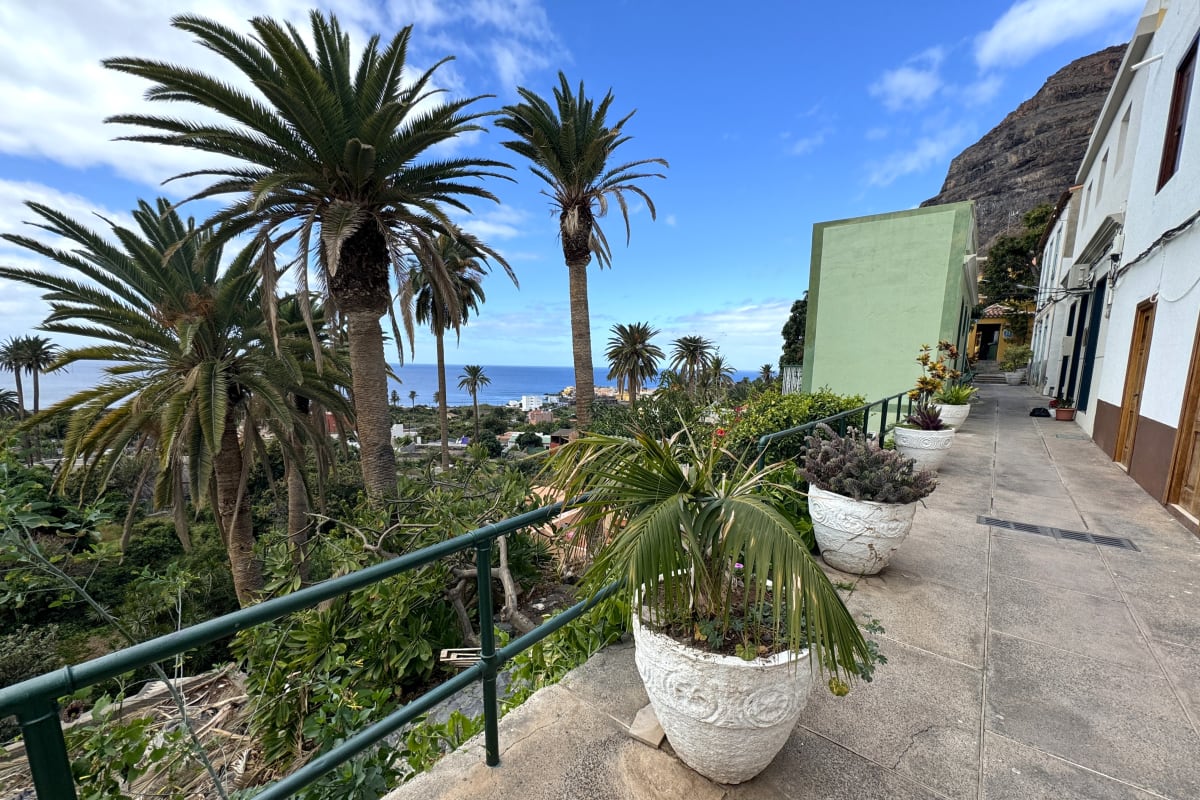
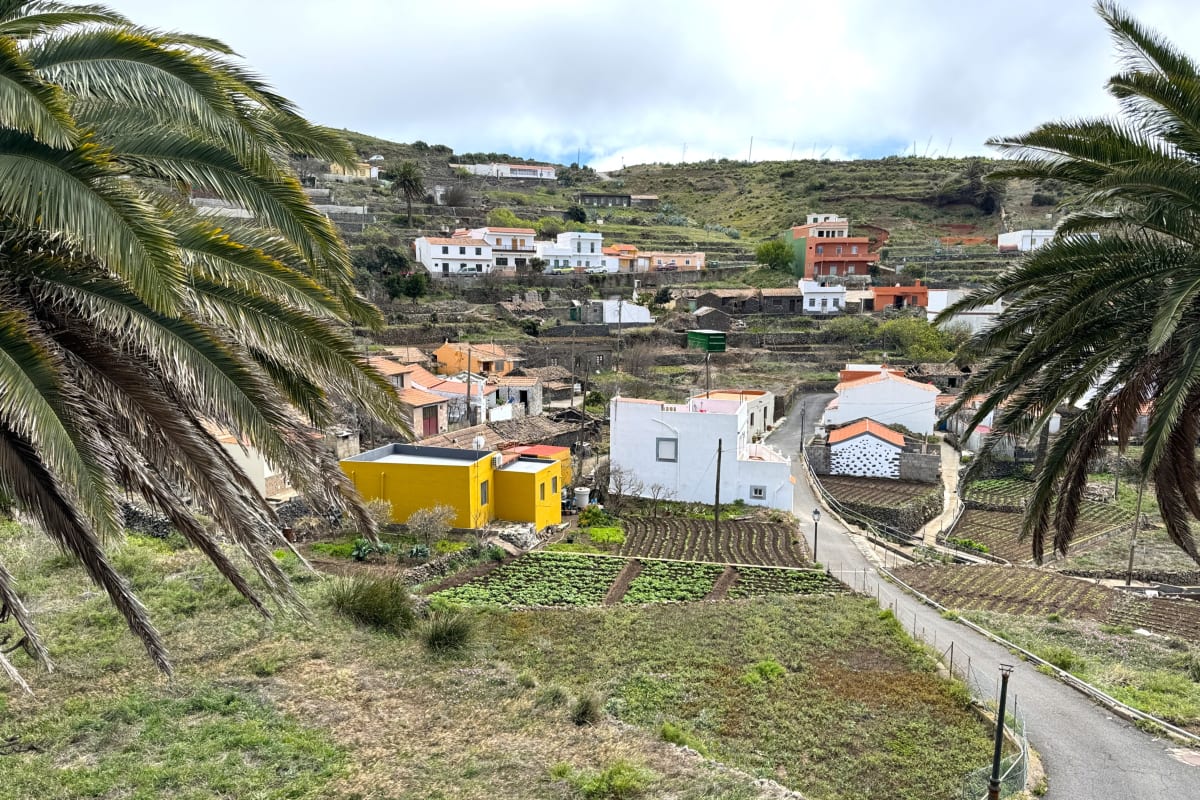
The island's ravines separate farms, paths and settlements that may be within sight of one another. Sending a message by whistle could save a journey down one slope and up the next. Anyone who has walked here will appreciate the appeal.
In suitable conditions, whistles can carry several kilometres. The island's tourism account of Silbo Gomero describes both its reach and the importance of context when listeners interpret a message.
There is an obvious drawback: anyone within earshot who understands Silbo can listen in. Useful for crossing a valley; less useful for keeping a conversation private.
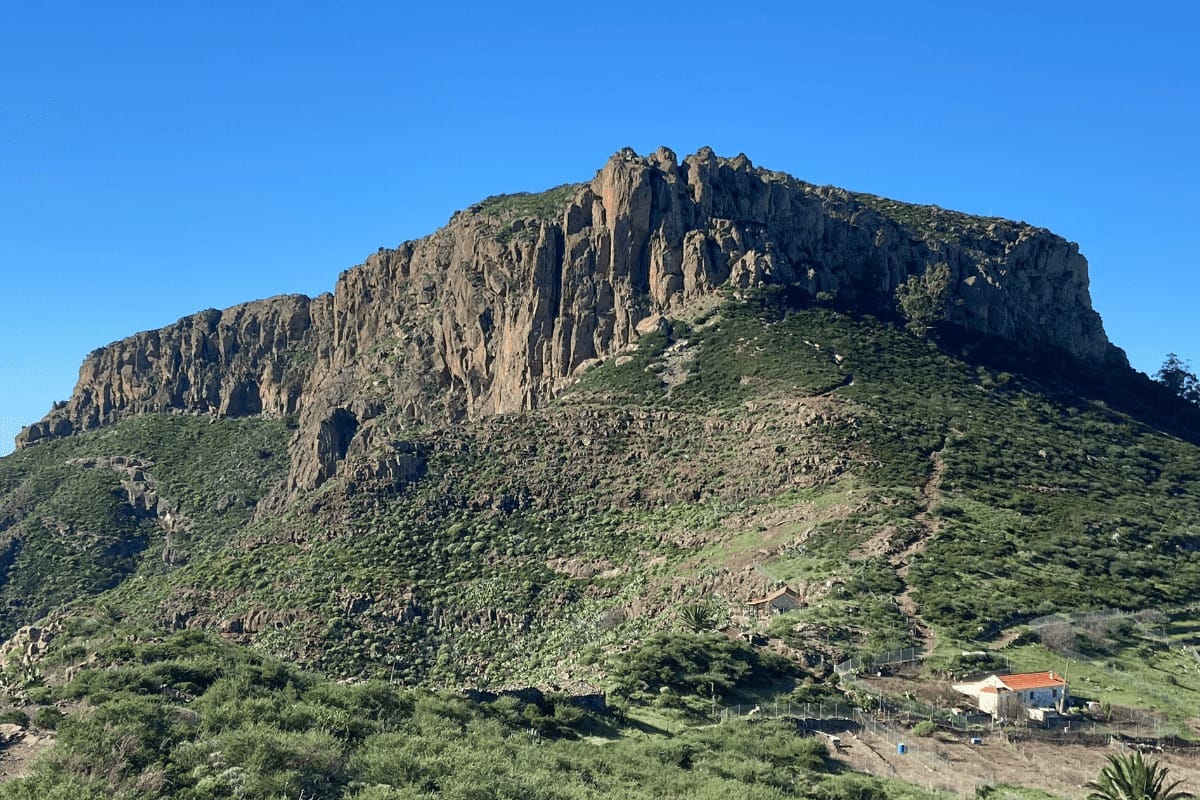
The tradition predates the Spanish conquest of La Gomera. Its precise beginnings are uncertain, and the evidence does not give us a neat invention date or a single inventor. It was used by the island's Indigenous population and later adapted to Spanish as the spoken language changed.
For generations, people learnt through family and rural life. The terrain explains why the skill was useful; the people who kept teaching it explain why it survived.
Schools and UNESCO recognition
Formal teaching in La Gomera's schools began in 1999, building on earlier efforts to pass the skill to younger people. Silbo is taught in primary and compulsory secondary education, with an updated curriculum approved in 2026.
In 2009, UNESCO added Silbo Gomero to its Representative List of the Intangible Cultural Heritage of Humanity. The recognition concerns a living practice: people learning, using and passing on a skill.
School teaching gives children a chance to learn it even when it is no longer part of their family's daily routine. That does not mean every islander is an expert whistler, or that preserving the tradition is a finished job.
Hearing Silbo and visiting its monument
Local festivals, workshops and cultural events offer opportunities to hear Silbo Gomero. The Asociación Cultural Silbo Gomero's events page lists its activities, including demonstrations and workshops around the island. Dates and locations vary, so this is a useful starting point for finding an event during your stay.
For a stop you can build into a day out, head to Mirador de Igualero. Its monument to Silbo Gomero, El árbol que silba, is an iron sculpture by José Darias depicting the hand position used for whistling.
The monument is a landmark rather than a scheduled performance venue. Combine it with a visit to Chipude and the surrounding mountain scenery.
A demonstration lets you hear the skill; a look across these ravines helps explain its purpose. The distance between two people might be a long walk, but it could also be a short conversation.