La Gomera Food: Traditional Dishes and Drinks to Try
A guide to La Gomera's traditional dishes, local ingredients and drinks, with Spanish menu names and suggestions for what to try first.

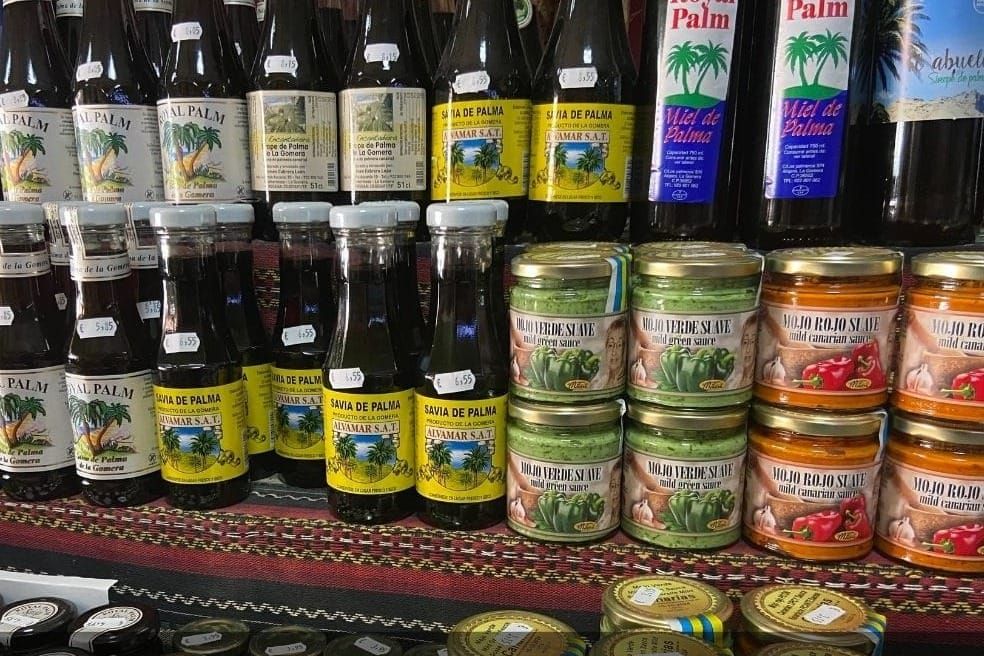
A meal on La Gomera might start with bread and a sharp, garlicky cheese spread, continue with fresh fish or a bowl of watercress stew, and finish with something sweetened with palm syrup. There's plenty to try without turning every lunch into a tasting expedition.
Some dishes are shared across the Canary Islands, while others have a particularly strong connection to La Gomera. Almogrote, local cheese and palm honey are good places to start. Here are the foods and drinks to look for, along with a little help decoding the menu.
Almogrote: La Gomera's cheese spread
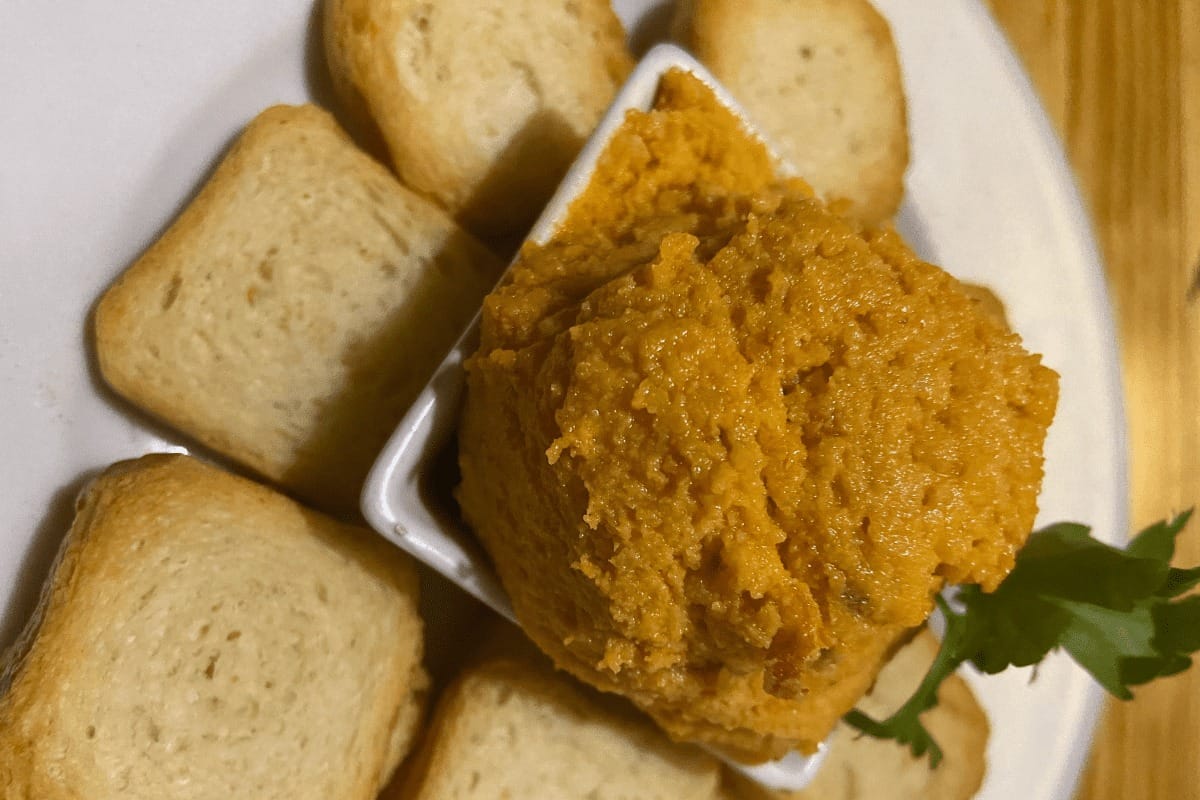
Almogrote is one of the island's best-known specialities. Made with mature cheese, garlic, olive oil and spicy pepper, it has a thick, spreadable texture and a strong, savoury flavour. It usually comes with bread or toast.
If you enjoy mature cheese, make this an early order. The garlic and pepper give it plenty of character, so try a little before spreading it as generously as butter. A bowl to share makes a good start to lunch.
Papas arrugadas and mojo
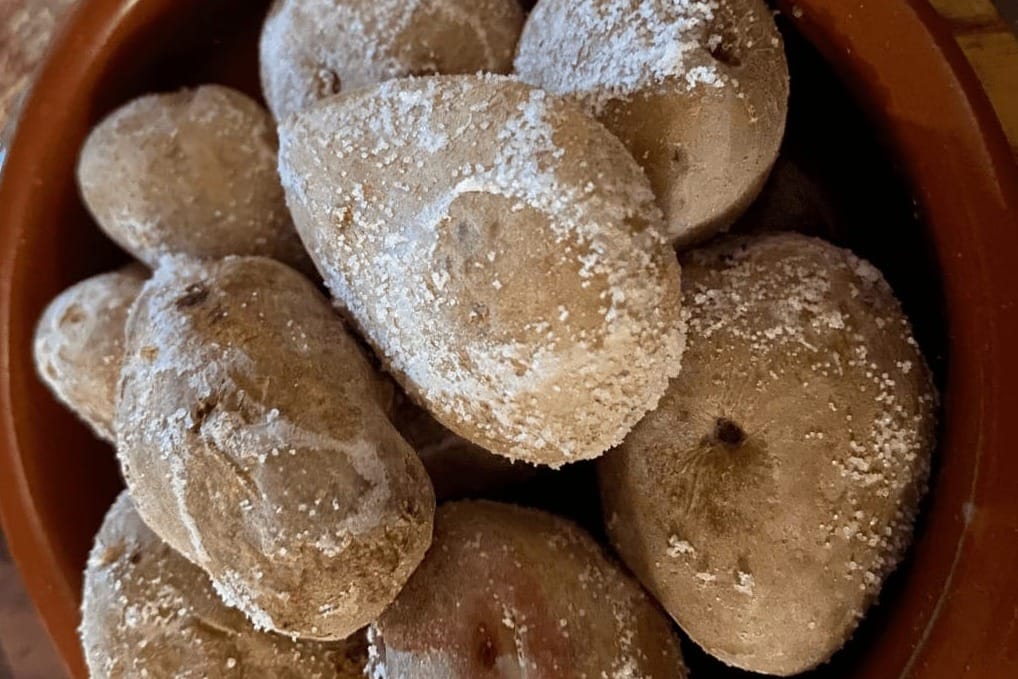
Papas arrugadas are small potatoes cooked in heavily salted water, then dried in the pan until their skins wrinkle and develop a light salt crust. You eat them with the skins on, usually alongside mojo sauce.
Red mojo generally gets its colour and flavour from peppers, while green mojo commonly contains coriander or parsley. Both are familiar across the Canary Islands. The word picón points towards a hotter sauce, although the strength varies between kitchens.
These are an easy accompaniment to fish or meat, but a plate of potatoes and a couple of sauces can also disappear remarkably quickly while you're deciding what else to order.
Potaje de berros: watercress stew
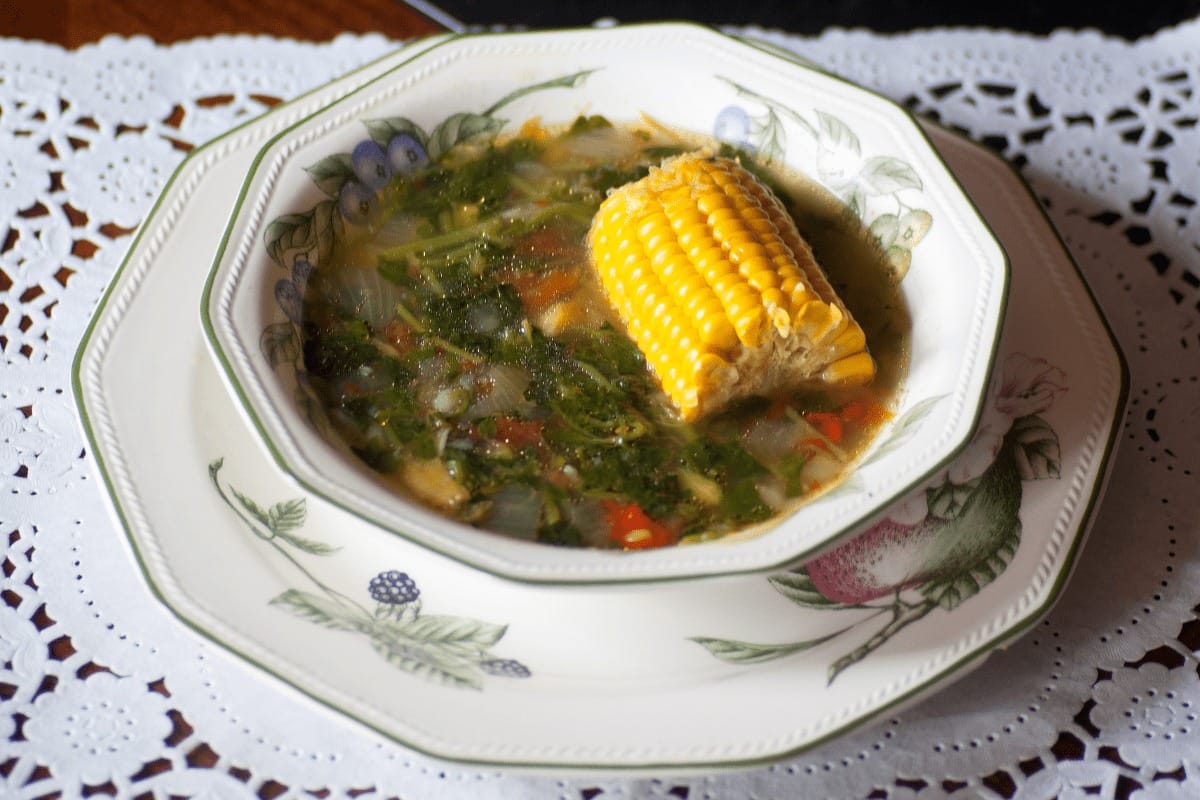
The English translation "watercress soup" can make this sound lighter than it is. Potaje de berros is a substantial dish, commonly made with watercress, potatoes, beans, corn and pork ribs. Gofio, fresh cheese and chopped onion may be served alongside it.
It's a good choice when you want a filling lunch, particularly after a morning in the hills. The watercress gives it a distinctive flavour, while the potatoes and other ingredients make it a meal in its own right.
Despite the vegetable name, traditional versions contain meat. If you're vegetarian, you'll need a version specifically prepared without it.
Gofio: the toasted grain behind several dishes
Gofio is flour made from roasted cereals, including maize, wheat and barley. It has been a staple in the Canary Islands for centuries, and the roasting gives it a distinctive toasted flavour.
You might encounter it alongside a stew, mixed with stock to make escaldón, or worked into sweet preparations. It also appears in desserts such as gofio mousse. The name describes the ingredient, so two dishes containing gofio can be quite different.
Trying it as part of a prepared dish is the easiest introduction. A bag of flour in a shop doesn't quite explain the appeal.
Queso gomero: the island's local cheese
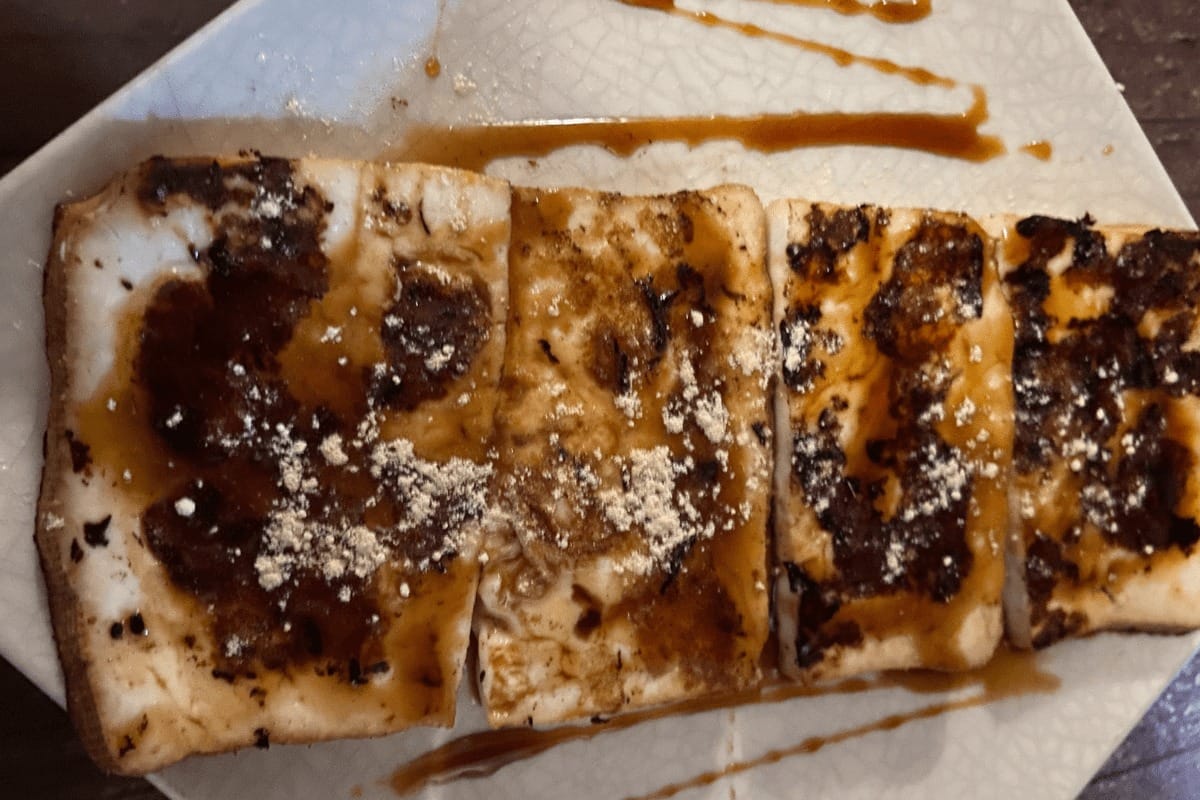
La Gomera's cheese is made from goat's milk or a mixture of goat's and sheep's milk. You'll find fresh, semi-cured and mature versions, ranging from mild and delicate to much stronger flavours. Mature cheese is also the foundation of almogrote.
Look for queso fresco if you prefer a milder cheese, or queso curado for something more pronounced. A small cheese plate lets you try the local product without committing your entire lunch to it.
Another dish to look for is queso asado con miel de palma: grilled cheese served with palm syrup. The salty cheese and sweet syrup make a particularly appealing combination.
Fresh fish and tuna in mojo
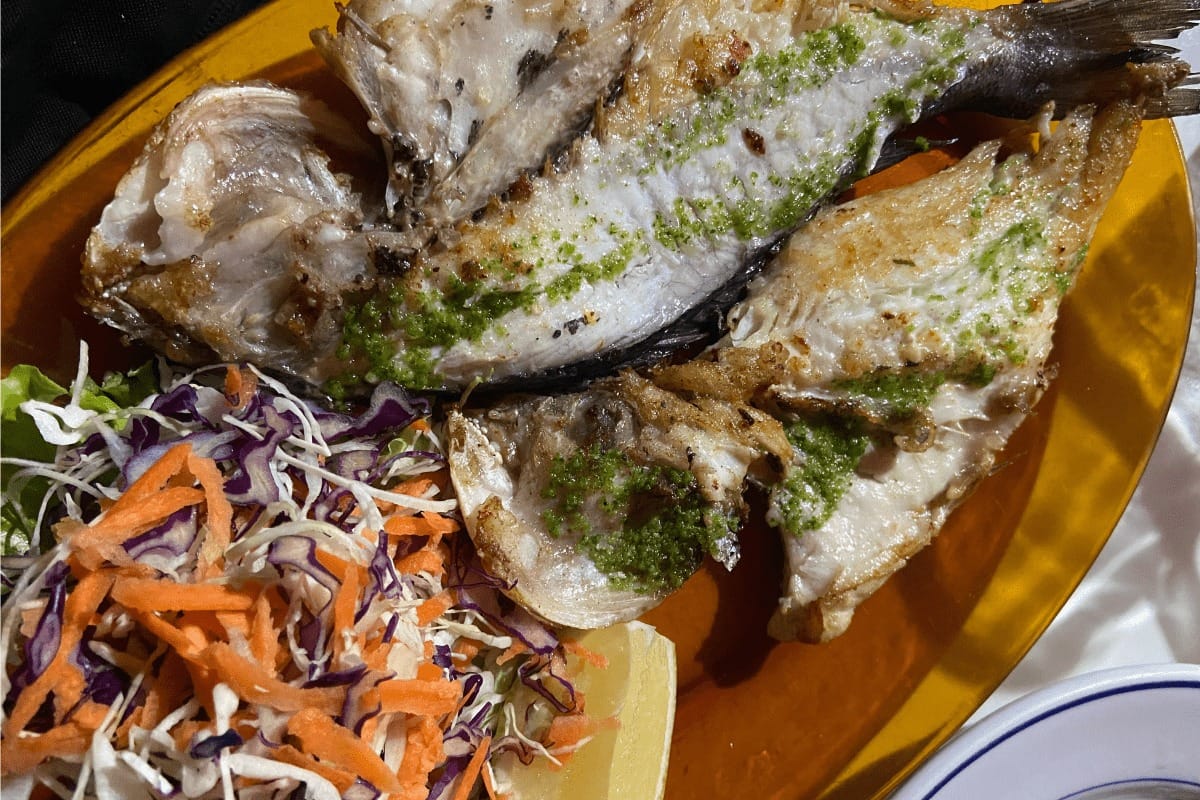
Fish is a natural choice along the coast. Names you may see include vieja and cherne, while atún en mojo hervido is tuna prepared with a cooked mojo sauce. These give you more of an introduction to the island's cooking than simply ordering whatever fish name looks familiar.
For a straightforward lunch, I'd start with the day's fish and papas arrugadas. If you prefer something with more sauce, look for the tuna dish.
Playa de Santiago, Valle Gran Rey and San Sebastián are useful places to explore seafood menus. They offer different settings, from seafront tables to restaurants around the capital's harbour and streets.
Carne de cabra: goat stew
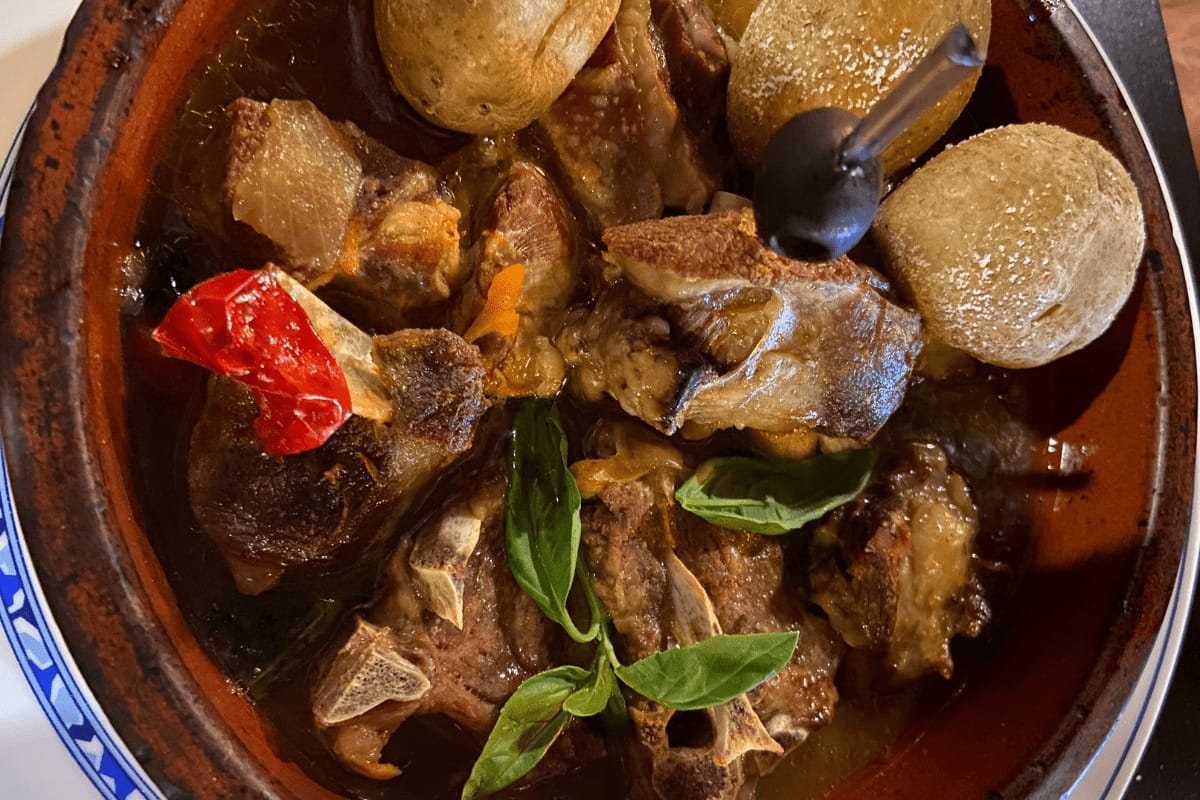
Goat is part of La Gomera's traditional cooking, and carne de cabra compuesta is a dish to look for if you enjoy a rich stew. Slow cooking softens the meat, which has a stronger flavour than chicken or pork. Potatoes are a common accompaniment.
This is the sort of lunch that suits a hungry afternoon rather than a quick snack. Recipes vary, so there's little point expecting every restaurant's version to taste identical.
Miel de palma: palm honey
Despite its name, palm honey is a syrup made from the sap of the Canary Island date palm. The sap, called guarapo, is collected and cooked down until it becomes thick and intensely sweet. Bees aren't involved.
You'll find it used with cheese, in desserts and in drinks. Try it on something fairly simple first, where you can taste the syrup itself. A bottle also makes a practical purchase for a self-catering stay: a little gives yoghurt or a plain dessert considerably more interest.
Galletas gomeras and other sweet things
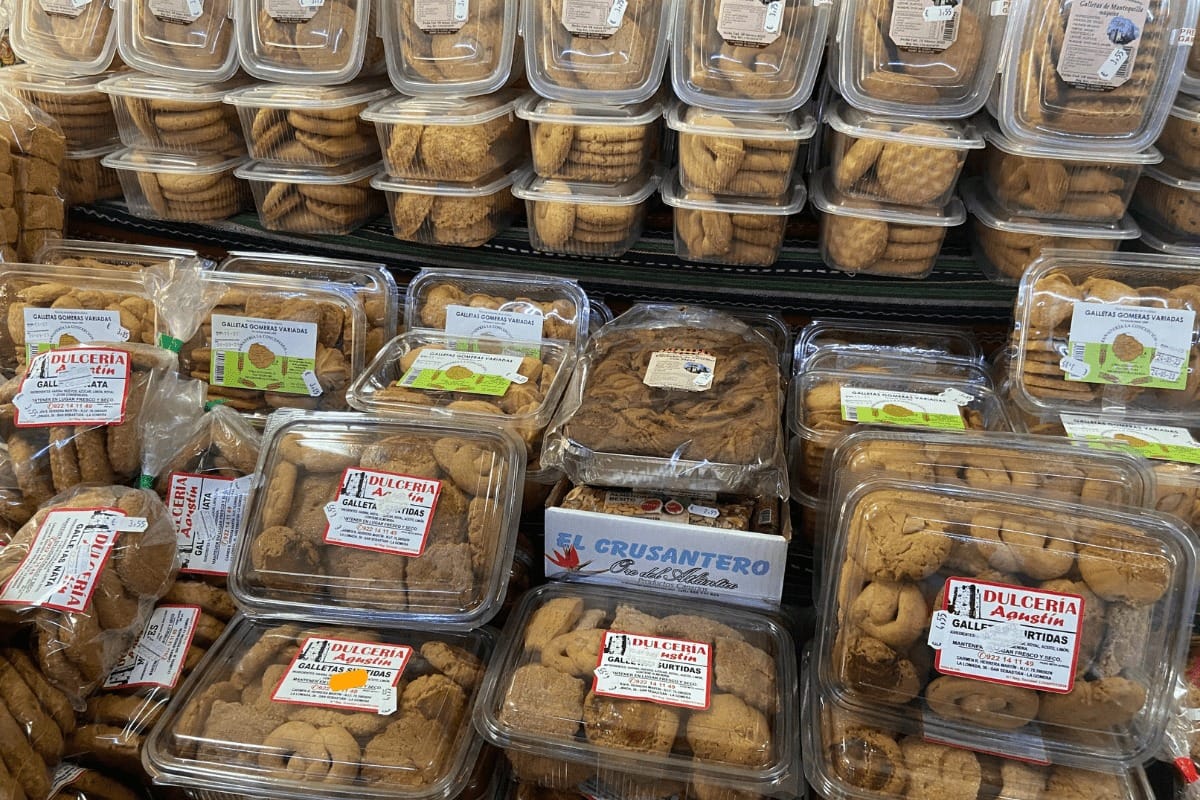
La Gomera has a strong tradition of biscuits and cakes. Look for galletas gomeras, along with local bakes such as torta de vilana and torta de cuajada. There are different recipes and styles, so the island's sweets deserve more than a single generic "cookie" description.
A packet of biscuits is an easy addition to a picnic or an afternoon coffee. They also make a manageable souvenir, assuming they survive the journey back to your accommodation.
Local wine and Gomerón
La Gomera produces white, red and rosé wines, with white wine particularly prominent. Forastera Gomera is the grape name to look for if you want to explore the island's wine identity. Much of the vineyard landscape occupies terraces on steep ground, which gives some context to the work behind the bottle.
For an after-dinner drink, there's Gomerón, made by combining palm syrup with grape spirit. It's sweet, strong and another way to try the island's characteristic palm flavour.
What to try first
For a first meal, I'd suggest sharing almogrote, then choosing fish with papas arrugadas or a bowl of potaje de berros. Try local cheese at another lunch, and leave a little room for a dessert with palm syrup.
That gives you a good introduction without ordering half the menu. There will be another lunch tomorrow.